
Come appare davvero il processo di produzione dell'abbigliamento oggi
Ad alto livello, il processo di produzione dell'abbigliamento si svolge attraverso tre grandi fasi: pre-produzione, produzione, e post-produzione. Progettazione delle copertine di pre-produzione, pacchetti tecnologici, approvvigionamento di materiali, campionamento, e pianificazione della produzione; la produzione copre il taglio, cucito, e rifinitura; coperture post-produzione definitive controllo di qualità, imballaggio, e spedizione.
La realtà è che ritardi, problemi di qualità, e i superamenti del budget raramente provengono da un’unica “cattiva fabbrica”. Di solito provengono da un processo debole: specifiche poco chiare, cattiva comunicazione, e nessun controllo sulle tempistiche. Una solida conoscenza del processo di produzione dell’abbigliamento ti fornisce la lingua, aspettative, e struttura per gestire i fornitori in modo professionale invece di limitarsi a sperare che tutto vada bene.
Passaggi chiave di pre‑produzione prima che la fabbrica di abbigliamento inizi a lavorare
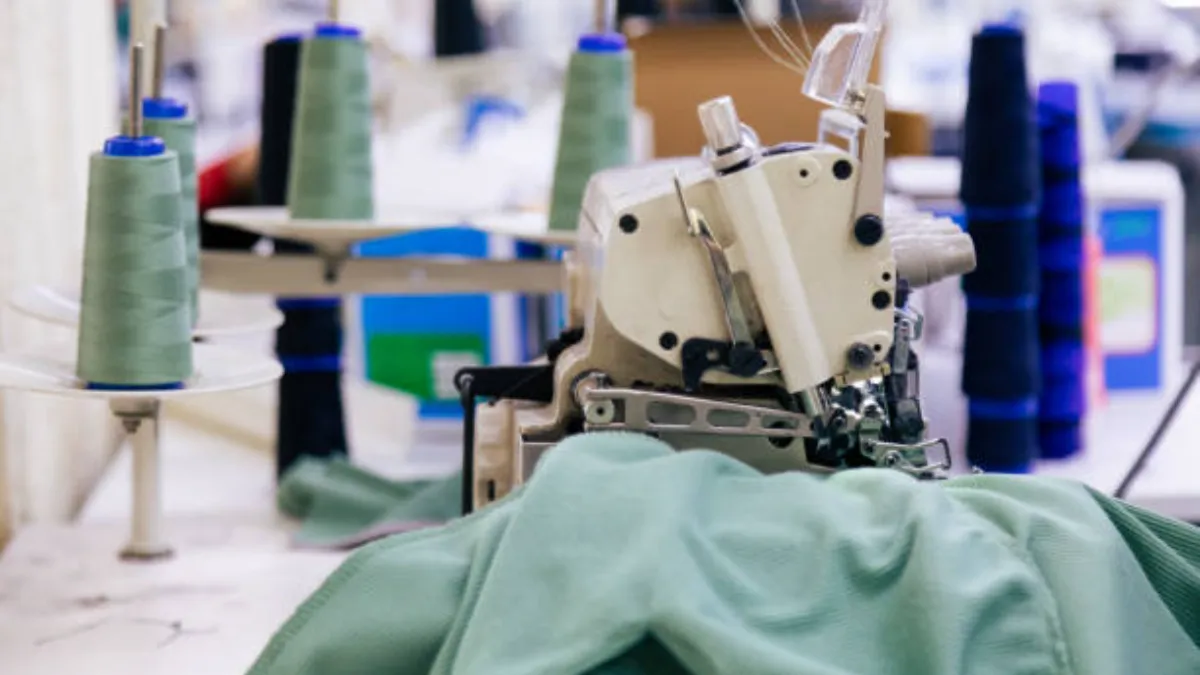
La maggior parte dei progetti di produzione di abbigliamento iniziano dal design e da un pacchetto tecnologico. Il tuo pacchetto tecnico include immagini di riferimento, schizzi piatti, misurazioni, regole di classificazione, specifiche del tessuto, finiture, grafica dell'etichetta, posizionamento della stampa o del ricamo, e dettagli costruttivi. Più preciso è il pacchetto tecnologico, meno congetture dovrà fare la fabbrica e meno sorprese del tipo "non è quello che intendevamo" dovrai affrontare in seguito. Questa è anche la fase in cui scegli il tessuto e le finiture, confermare la disponibilità, e allinearsi agli standard di colore (PER ESEMPIO., Codici Pantone).
Poi arriva il campionamento. In un tipico processo di produzione di abbigliamento, vedrai diversi tipi di campioni:
-
Un campione in forma o prototipo per verificare la silhouette e la costruzione di base.
-
Una dimensione impostata per verificare la valutazione tra le dimensioni.
-
Una pre-produzione (PP) o SUPERIORE (Inizio della produzione) campione per confermare tutto esattamente come sarà alla rinfusa.
Ogni approvazione qui è una decisione che blocca costi e qualità. È anche il luogo in cui confermi le quantità, finestre di consegna, ed eventuali test speciali (Per esempio, solidità del colore, restringimento, o test prestazionali per l'abbigliamento sportivo).
All'interno della linea di produzione di abbigliamento
Una volta completata la preproduzione e ottenute tutte le approvazioni, la fabbrica può finalmente passare alla produzione di massa. Questa è la parte che la maggior parte delle persone immagina quando pensa al processo di produzione dell'abbigliamento: rotoli di tessuto, tavoli da taglio, linee di cucitura, e lavoratori che spostano indumenti da una stazione all'altra.
La fase di produzione solitamente si svolge in questo ordine:
-
Tessuto rilassante e ispezione: Il tessuto viene srotolato e lasciato rilassare in modo che la tensione derivante dall'arrotolamento venga rilasciata, riducendo la distorsione e il restringimento imprevisto in seguito. I difetti vengono controllati e segnalati prima del taglio. Saltare questo passaggio può portare a cuciture attorcigliate, orli irregolari, o indumenti che si restringono in modi imprevedibili.
-
Diffondere, realizzazione di marcatori, e taglio: Il tessuto è distribuito in strati, i marcatori vengono creati per posizionare i pezzi del modello in modo efficiente, e poi il tessuto viene tagliato manualmente o a macchina. Una buona efficienza dei piazzamenti significa meno spreco di tessuto e margini migliori. Un taglio scadente può rovinare decine di indumenti in pochi secondi, ecco perché questa fase è così strettamente controllata.
-
Raggruppamento e cucitura: I pezzi tagliati sono raggruppati per dimensione e stile, si passa poi attraverso le linee di cucitura dove ogni operatore svolge operazioni specifiche: attaccare collari, cuciture laterali, aggiunta di cerniere, ecc. In un processo di produzione di abbigliamento ben organizzato, I controlli di qualità in linea rilevano tempestivamente i problemi in modo che non si trasformino in centinaia di pezzi difettosi.
-
Stampa, ricamo, e rifiniture: Se i tuoi indumenti hanno serigrafie, stampe digitali, trasferimenti di calore, o ricami, questi di solito accadono subito prima o durante la cucitura, a seconda del disegno. Questo è anche il luogo in cui si trovano le etichette, pulsanti, cerniere, scatta, e vengono aggiunte altre finiture.
-
Finitura: (lavaggio, premendo, e taglio del filo) Finalmente, gli indumenti possono essere sottoposti a lavaggio (lavaggio a pietra, lavaggio enzimatico, ammorbidente, ecc.), quindi premendo o cuocendo a vapore per ottenere una pulizia, look pronto per la vendita al dettaglio. I fili vengono tagliati, estremità sciolte rimosse, e gli indumenti vengono controllati visivamente per individuare eventuali macchie, increspature, o cuciture errate.
Controllo qualità e tempistiche nei progetti di produzione di abbigliamento
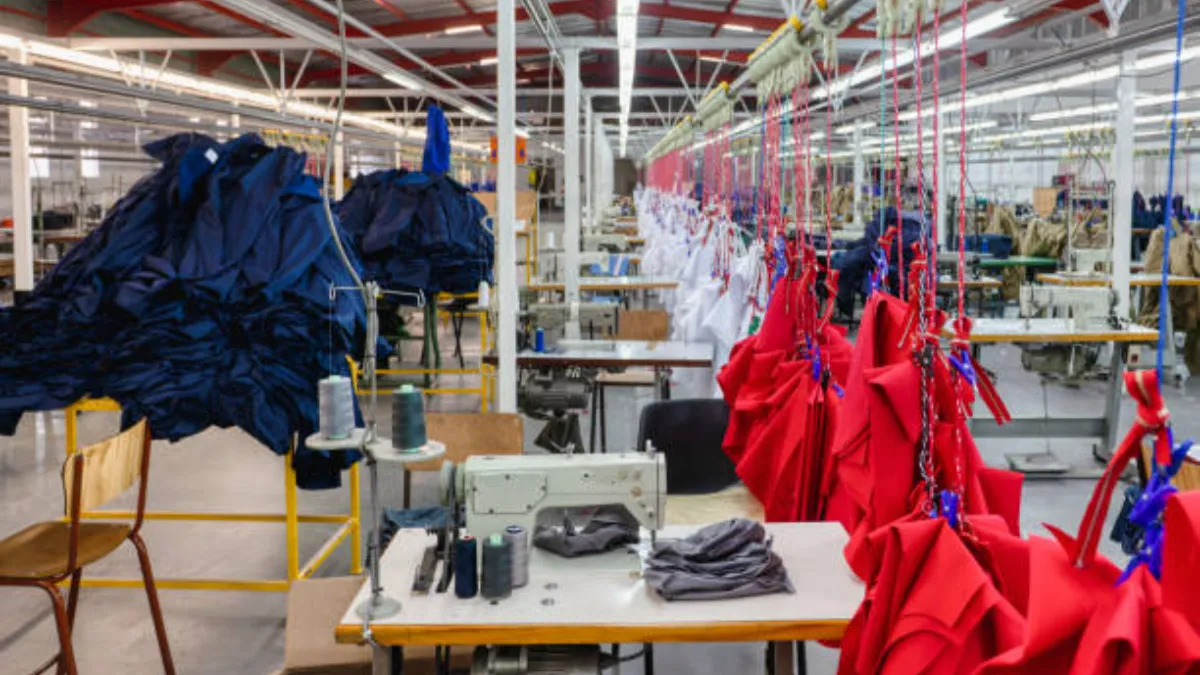
Anche il processo di produzione di abbigliamento meglio pianificato fallirà senza un controllo di qualità disciplinato (Controllo qualità) e tempistiche realistiche. La qualità non è un singolo evento alla fine della linea; è integrato in ogni fase del processo di produzione dell'abbigliamento.
La maggior parte delle fabbriche professionali combina diversi livelli di controllo qualità:
-
Ispezione in entrata tessuto e finiture per individuare tempestivamente i difetti.
-
Ispezione in linea durante il taglio e la cucitura per individuare i problemi di processo (tensione, tipo di punto, componenti errati).
-
Ispezione finale secondo uno standard simile AQL prima dell'imballaggio e della spedizione.
Un tipico piano di progetto include i tempi di consegna del tessuto, giri di campionamento, produzione in serie, finitura, imballaggio, e spedizione. Per molti marchi, il problema inizia quando pianificano solo i “giorni di produzione” della fabbrica e ignorano i ritardi relativi ai tessuti, ostacoli all'approvazione, festività nazionali, o capacità logistica. Una sequenza temporale realistica per la produzione di abbigliamento potrebbe assomigliare a questa:
| Palcoscenico | Durata tipica (Solo riferimento) |
| Finalizzazione del pacchetto tecnologico & costo | 3–10 giorni |
| Campionamento e approvazioni | 2–6 settimane |
| Tessuto & rifinisce la produzione | 2–5 settimane |
| Taglio e cucito in serie | 3–6 settimane |
| Finitura, imballaggio, e ispezione | 1–3 settimane |
| Spedizione e sdoganamento | 1–6 settimane (dipendente dal metodo) |
Questo è solo un esempio per illustrare quanto dura il processo di produzione dell'abbigliamento può davvero reggere se visto dall'inizio alla fine. Quando capisci questi tempi, puoi negoziare in modo più intelligente, pianifica i lanci con meno stress, e stabilisci aspettative realistiche con i tuoi clienti.
Lavorare con produttori di abbigliamento cinesi
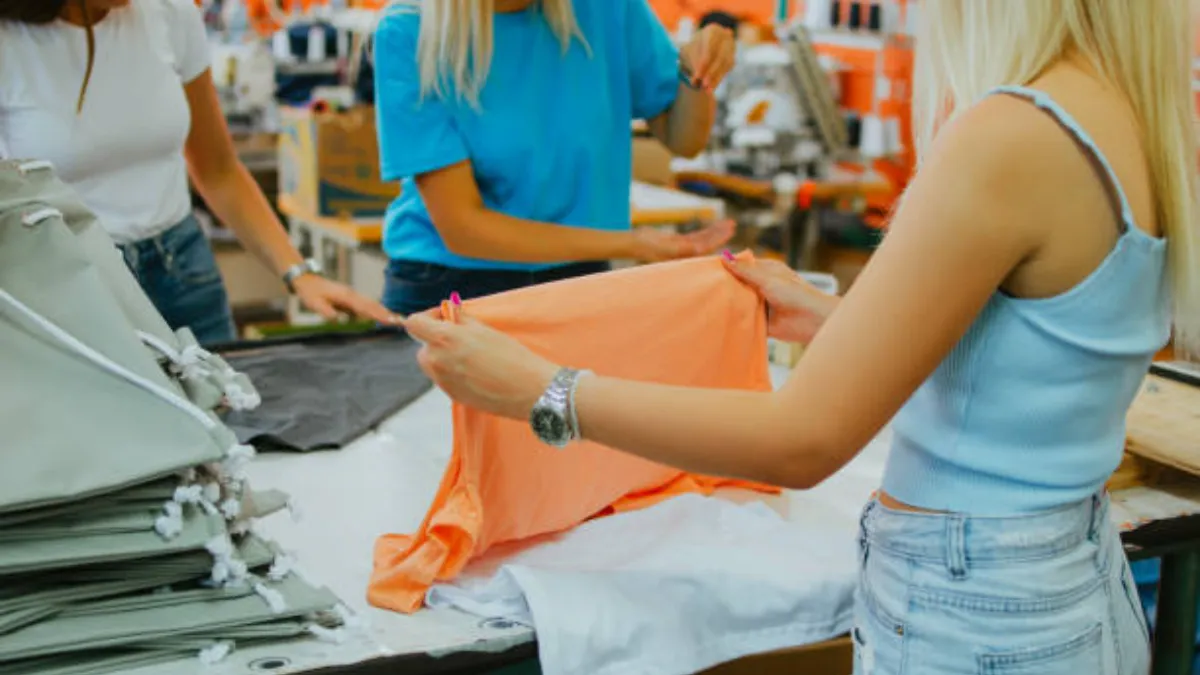
La Cina rimane uno degli hub più importanti abbigliamento produzione, soprattutto se desideri una vasta gamma di tessuti, costruzioni complesse, MOQ ragionevoli, e prezzi competitivi. Ma lavorare direttamente con i produttori di abbigliamento cinesi in qualità di proprietario di un marchio straniero può essere impegnativo.
I problemi più comuni includono lacune linguistiche e comunicative, culture aziendali diverse, e incomprensioni sulle specifiche e sulle aspettative di qualità. Anche se conosci la teoria su come produrre vestiti, potresti scoprire che le tue email, pacchetti tecnologici, e le tempistiche non si traducono in modo fluido nelle operazioni quotidiane di una fabbrica cinese. Aggiungi differenze di fuso orario, catene di fornitura lunghe, e programmi di lancio serrati nel mix, e il rischio di disallineamento cresce rapidamente.
Un'altra sfida è la selezione e la verifica in fabbrica. Esistono migliaia di fornitori che affermano di gestire ogni fase del processo di produzione dei vestiti, dall'approvvigionamento dei tessuti ai capi finiti. In realtà, le capacità variano ampiamente. Alcune fabbriche si limitano a tagliare e cucire, esternalizzare la stampa e il lavaggio ad altri. Alcuni sono forti in capi basic come le magliette, ma non sono predisposti per la sartoria, capispalla, o abbigliamento sportivo. Senza conoscenza locale, è difficile giudicare chi può effettivamente soddisfare le tue esigenze specifiche, fornire una qualità costante, e gestire gli ordini ripetuti a lungo termine.
Finalmente, è in corso la gestione del progetto: monitorare il processo di produzione dell'abbigliamento una volta avviato. Piccoli errori di comunicazione sul colore, misurazioni, oppure le etichette possono trasformarsi in migliaia di unità invendibili. Se non hai qualcuno sul campo in Cina, il monitoraggio della qualità e delle tempistiche diventa una preoccupazione costante anziché un processo controllato.
Come Splygo semplifica il processo di produzione di abbigliamento in Cina
Questo è esattamente il punto in cui a Agente di approvvigionamento unico in Cina Piace Splygo cambia l'esperienza dei marchi di abbigliamento. Invece di destreggiarsi tra più fabbriche, traduttori, e spedizionieri, ottieni un unico partner che comprende sia le aspettative del tuo marchio che le realtà della produzione cinese.
Splygo ti aiuta a navigare nell'intero processo di produzione dell'abbigliamento in Cina:
-
Selezione e verifica delle fabbriche di abbigliamento adatte in base al tipo di prodotto, quantità, livello di qualità, e obiettivi di prezzo.
-
Colmare le lacune comunicative: rendere chiaro il linguaggio del design e la visione del marchio, istruzioni attuabili che le fabbriche possono seguire.
-
Coordinare le fasi chiave del processo di produzione dell'abbigliamento, dall'approvvigionamento di tessuti e finiture alla campionatura, produzione in serie, controllo di qualità, e spedizione.
Perché Splygo funziona come agente di approvvigionamento unico in Cina, non è necessario creare un intero team locale solo per gestire il processo di produzione dei vestiti. Invece, puoi concentrarti sul design, Branding, marketing, e vendite mentre Splygo gestisce i follow-up giornalieri, fabbrica negoziati, e controllo della sequenza temporale. Se sorgono problemi di qualità, c'è qualcuno dalla tua parte da ispezionare, rapporto, e guidare azioni correttive, piuttosto che dover fare affidamento esclusivamente su ciò che dice la fabbrica.
Per molti marchi in crescita, questo modello di partnership è il pezzo mancante tra la comprensione teorica di come produrre abbigliamento e l'effettiva esecuzione affidabile, cicli di produzione ripetibili nella pratica.
Suggerimenti pratici per ampliare la produzione del tuo marchio di abbigliamento
È utile conoscere la teoria del processo di produzione dell'abbigliamento; trasformare tale conoscenza in produzione scalabile è il punto in cui inizia la vera crescita. Mentre si passa da piccoli ordini di prova a tirature più grandi e più frequenti, i punti deboli del tuo processo verranno visualizzati rapidamente a meno che non pianifichi in anticipo.
Alcuni consigli pratici possono fare una grande differenza:
-
Standardizza i tuoi pacchetti tecnologici e adatta i blocchi. Riutilizzando silhouette collaudate, misurazioni, e i dettagli costruttivi riducono i cicli di campionamento e stabilizzano la qualità nel tempo.
-
Costruisci un calendario di produzione realistico. Invece di trattare ogni ordine come un’emergenza una tantum, mappa il tuo anno in base alle stagioni e alle gocce, e allineati tempestivamente con i tuoi fornitori o con il tuo agente di approvvigionamento.
-
Investi in relazioni a lungo termine. Le fabbriche e gli agenti tendono a dare la priorità ai marchi coerenti, chiaro, e collaborativo. Se tratti ogni ordine come una lotta a breve termine per i centesimi, raramente sarai in cima alla lista delle priorità di qualcuno.
Se sei seriamente intenzionato a imparare a produrre abbigliamento su larga scala, non limitarti a copiare ciò che fanno gli altri. Usa la tua conoscenza del processo di produzione dell'abbigliamento per progettare un sistema che si adatti all'identità del tuo marchio, percorso di crescita, e tolleranza al rischio. E se gestire il processo di produzione di abiti oltre confine sembra opprimente, collaborare con un affidabile agente di approvvigionamento unico in Cina come Splygo può darti il controllo, visibilità, e il supporto locale di cui hai bisogno per crescere con fiducia.






Contatta Splygo per le tue esigenze
Pronto a sperimentare i nostri più servizi? Contattaci oggi per discutere le tue esigenze e trovare la soluzione giusta per le tue esigenze.